glamforyu
Dorchester live television

Live television that runs the way you planned

We advise on studio equipment, cameras, acoustics and lighting, and review the workflow behind your broadcast, so news and interview programmes stay dependable on air.

What we do

Five areas of live studio work, each handled properly

glamforyu covers the technical and practical side of a live television studio. We plan and test equipment, set up cameras, treat rooms for sound, design lighting plots and review how a broadcast is run. Each service can be taken alone or combined for a larger project.

  1. Studio Equipment Integration

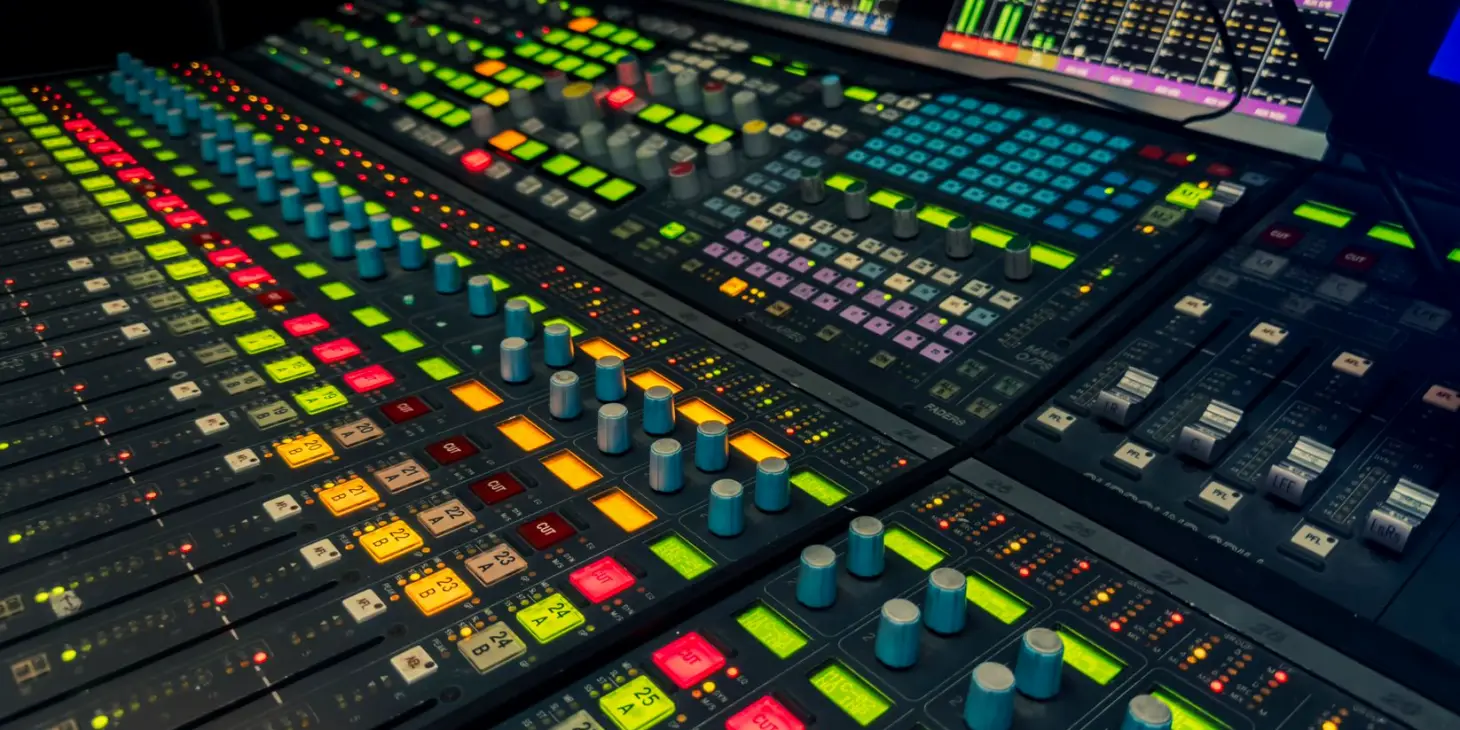
    We plan, wire and test vision mixers, monitors, intercom and playout so your gallery works as one system.

  2. Camera Techniques and Setup

    Camera positioning, framing and movement planning for news desks, interviews and multi-camera live shows.

  3. Acoustic Optimisation

    Room measurement and treatment advice so voices stay clear and studio noise stays under control.

  4. Lighting Design for Live TV

    Lighting plots and rigging plans that give presenters and guests consistent, flattering light on camera.

  5. Live Production Workflow Review

    A written review of your running order, cueing and fallback procedures to make live broadcasts more dependable.

Tell us what the studio produces and where it struggles, and we will suggest which services fit. Scope is agreed in writing before any work starts.

Services

How we work

From first enquiry to a studio that works as one system

Every project follows the same sequence, so you know what is happening and what you will receive at each stage. We keep the steps short, document what we find, and agree the scope with you before work begins on site or in the gallery.

  1. Enquiry and first conversation

    You contact us through the contact page and describe the studio, the programmes you make and the problems you want solved. We ask about crew size, existing equipment and how often you broadcast live, then tell you honestly whether we can help.

    What you leave with

    A shared understanding of the brief and a decision on whether to proceed.

  2. Site visit and assessment

    We visit the studio to see the room, the gallery and the way your crew works. Daniel checks the signal path, Priya measures the sound, and Tom looks at cameras and lighting positions. Notes and photographs are taken throughout.

    What you leave with

    A set of findings covering systems, sound, lighting and workflow.

  3. Written quotation

    From the assessment we write a quotation that lists the work, what the price includes and what could change it. You read it at your own pace, ask questions and agree changes to the scope before anything is confirmed.

    What you leave with

    A written quotation you can approve, amend or decline.

  4. Delivery and testing

    The agreed work is carried out in the studio: wiring and integration, camera positioning, acoustic treatment advice, lighting rigging or the workflow review. Everything is tested together, ideally with your crew running a rehearsal.

    What you leave with

    A tested studio setup or a completed written review.

  5. Handover and documentation

    We walk your team through what was done and leave clear documentation: cable schedules, camera and lighting plans, room notes or the reviewed running order. Invoicing follows, paid by bank transfer.

    What you leave with

    Documentation your crew can use and an invoice for the agreed work.

Choosing a starting point

Workflow review or full studio integration: which fits you

Some teams need their live process looked at before spending on kit, while others have a gallery that needs building or rewiring. The two approaches below show how they differ and where they overlap.

Live Production Workflow Review

Main focus
Running order, cueing, communication and fallback procedures used during a live broadcast.
Where the work happens
Mostly observation of rehearsals and broadcasts, followed by desk-based analysis and writing.
What you receive
A written review with recommendations your team can apply at its own pace.
Best suited to
Teams whose equipment is sound but whose live shows feel uncertain or stressful.
Equipment spending
Usually none is needed, as the review concentrates on procedure and habits.

Studio Equipment Integration

Main focus
Vision mixers, monitors, intercom and playout planned, wired and tested as one system.
Where the work happens
In the gallery and studio, with cabling, configuration and testing on site.
What you receive
A working, documented installation with cable schedules and test notes.
Best suited to
Studios that are new, being refitted or suffering from unreliable connections.
Equipment spending
Depends on the kit you already own and what the plan shows is missing.

Many clients begin with the review and move to integration afterwards. Ask us which order suits your studio before you decide.

FAQ

Questions we hear often

These are the practical points new clients usually raise before contacting us. If yours is not covered, send it through the contact page and we will answer directly.

Do you only work with large broadcasters?
No. We work with broadcasters, content teams and production managers of different sizes. What matters is that you make live television or plan to. We describe the work in terms of your studio and crew, so smaller teams get the same care as larger ones.
Can we book just one service rather than a package?
Yes. Each service stands on its own, whether that is acoustic advice, a lighting plot or a workflow review. Some clients combine several because the areas affect each other, but nothing is bundled by default and the quotation lists only what you ask for.
Do you visit the studio in person?
Yes, for most work we visit the studio so we can measure the room, see the gallery and watch your crew. Dorchester is our base, and we discuss travel and site arrangements in the quotation so that nothing about attendance comes as a surprise.
What should we prepare before the first conversation?
Useful items are a list of your current equipment, a floor plan or photographs of the studio, a typical running order and a short note on recurring problems. None of it needs to be polished. We can work with rough notes and fill gaps during the visit.
How does ordering and payment work?
You send an enquiry through the contact page, we reply with a written quotation, and once you confirm it we proceed. After the work is done we send an invoice that you pay by bank transfer. Nothing is purchased on the website.
Will you replace the equipment we already own?
Not unless there is a clear reason. We start from what you have and test whether it can be made to work properly. If something is unsuitable or failing, we explain why in writing and let you decide what to do about it.
Do you document what you build or change?
Always. Daniel documents every integration clearly, and our camera, lighting and acoustic work comes with plans or notes your crew can follow. The aim is that your team can understand and maintain the studio without calling us for every small change.
Can you help with a programme that is already on air?
Yes. A workflow review can be carried out around a live programme by observing rehearsals and broadcasts, and most recommendations are small enough to introduce gradually. We plan the work so that your schedule is disrupted as little as possible.

Journal

Recent writing from the studio floor

All posts
Talk to us about your studio

Describe your studio and we will tell you where we can help

Send a short note through the contact page about your programmes, your equipment and the problems you face. We will reply with questions and, if it suits you, arrange a visit.

glamforyuContact

Send us a message